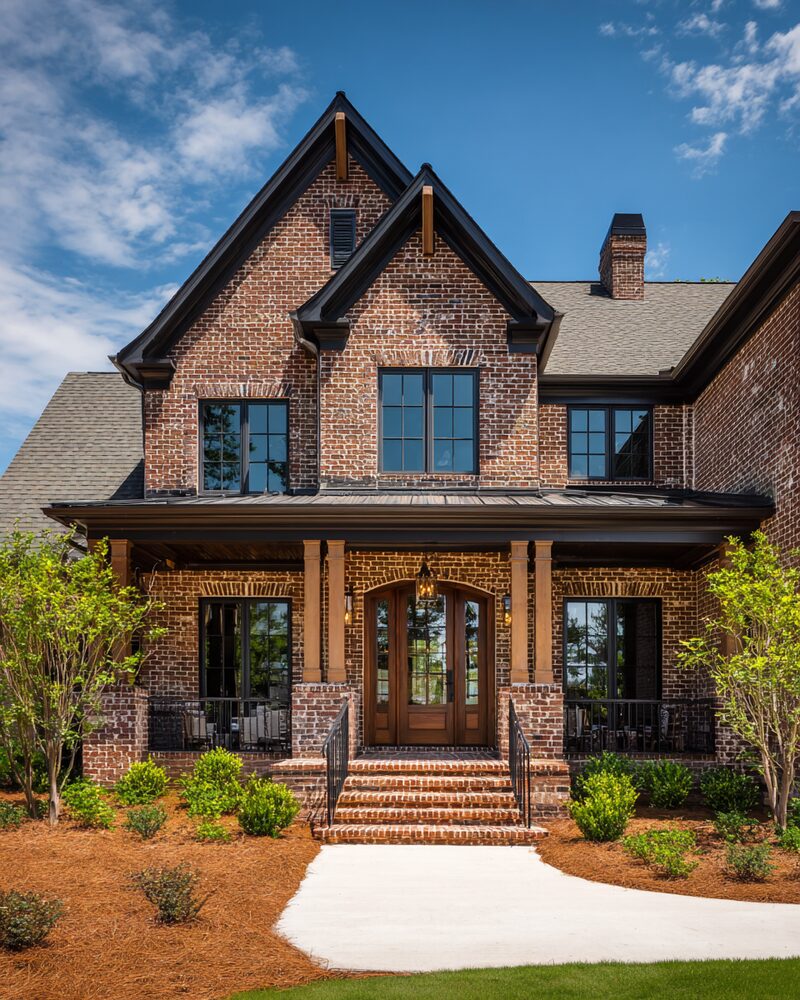
Atlanta real estate is active, varied, and full of opportunity for both buyers and sellers. Whether you are searching for your first home in Decatur, evaluating new construction in Alpharetta, or preparing to sell an intown bungalow near Candler Park, focusing on decisions that deliver both long term value and everyday livability will keep you ahead of the market. This guide lays out practical, evergreen strategies you can use now and return to as conditions change.
Start with the neighborhood fundamentals
Market headlines often focus on price swings and interest rates, but the strongest driver of long term value is location quality. Look beyond broad neighborhood names and evaluate block level factors: school options, pedestrian access, morning and evening traffic patterns, nearby parks and green space, and planned public projects that can affect desirability. These factors matter whether you plan to live in the home for five years or twenty.
Know the true cost of the home
Price is only one part of cost. Factor property taxes, HOA dues, typical utility expenses, insurance differences between older homes and new construction, and maintenance expectations. For buyers, getting preapproved and understanding monthly carrying costs avoids surprises. For sellers, bundling realistic cost info into your property marketing helps serious buyers see the full value and reduces friction during negotiation.
New construction versus resale
New homes offer warranties, modern layouts, and energy efficient systems. Resale homes often provide mature landscaping, established neighborhood character, and sometimes larger lots. Buyers should compare total value: a new home may save on immediate maintenance but a well-maintained older house can offer quicker equity if it sits in a high-demand pocket. Sellers should highlight unique benefits—lot size, recent upgrades, or proximity to transit—that set their property apart from new builds nearby.
Upgrade smartly to maximize return
Not all improvements add equal value. Kitchens and bathrooms typically deliver strong returns, but focus on durable, neutral finishes that appeal to a wide range of buyers. Consider minor but high-impact items like modern light fixtures, fresh paint, new hardware, and well staged outdoor spaces. Avoid over-customizing to personal tastes that limit your buyer pool.
Price with local data and buyer psychology in mind
Effective pricing blends market data with an understanding of buyer behavior. Compare recent solds in your exact micro market, not only broad neighborhood comps. For buyers making offers, present comparable evidence and a clear timeline to stand out in competitive situations. Sellers should set a realistic list price that invites interest and supports appraisal expectations at contract time.
Present your home for trust and imagination
Buyers often choose the house where they can most easily picture their life. Clean lines, decluttered rooms, and thoughtful staging help buyers imagine living in the space. Professional photography, floor plans, and a clear list of recent improvements create trust and reduce negotiation hurdles. For sellers, provide a ready-to-share packet of warranties, inspection reports, and utility averages to accelerate confident offers.
Inspections, disclosures, and mitigation
Address common inspection items before listing when possible: roof condition, HVAC service records, and signs of moisture. Proactive disclosures and pre-listing inspections shorten the contingency period and often result in smoother closings. Buyers should budget for a thorough inspection and estimate realistic repair costs before finalizing an offer.
Financing and timing strategies that work in Atlanta
Rates and lending guidelines shift, but two constants help buyers and sellers: good documentation and flexibility. Buyers should lock in a rate when comfortable and aligned with their purchasing timeline. Sellers who can accommodate a flexible closing date often attract more offers. Work with a lender familiar with Metro Atlanta to ensure local appraisal and underwriting norms are managed efficiently.
Think like an investor and a neighbor
For long term gains, consider both market trends and community quality. Properties near planned transit corridors, expanding commercial nodes, or quality schools often outperform. Equally important is being a good neighbor: well maintained properties support area values and make homes easier to sell when the time comes.
For a tailored plan that matches where you are in the market and what you want from a home, contact The Rains Team. Call 404-620-4571 and learn how local experience guides pricing, renovation decisions, and negotiation strategy. Visit
www.metroatlantanewhomes.com
