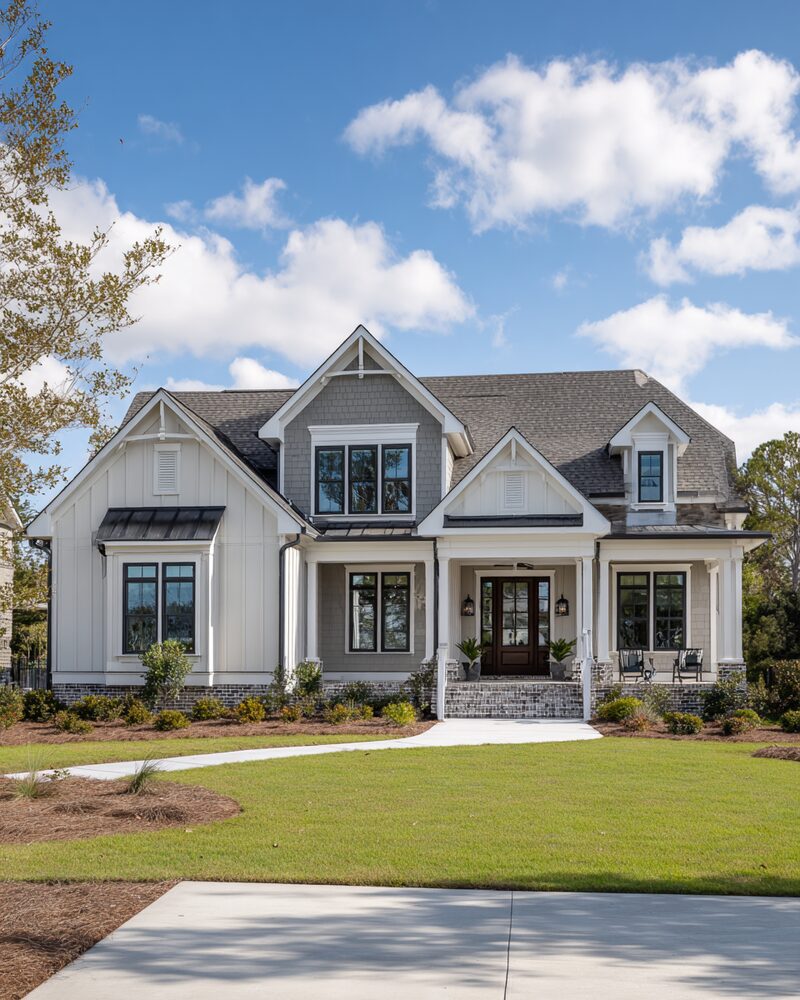
Atlanta is a city of neighborhoods with distinct personalities and long term value drivers. From intown walkable districts to family friendly suburbs, the choices you make when buying or selling here shape your lifestyle and financial future. This guide is written for buyers and sellers who want practical, search friendly advice that stays useful as the market evolves. Read on for the strategies that work in Metro Atlanta today and will still apply years from now.
Start with the local facts that matter most. Inventory levels, interest rates, and buyer demand change, but the elements that make a neighborhood resilient do not. Look for strong employment centers nearby, access to transit like MARTA or major highways, quality schools, and visible investment in public spaces and infrastructure. These fundamentals tend to protect home values over time and attract steady buyer interest, which is essential whether you plan to live in a home or sell it later.
For buyers focus on long term fit not just immediate appeal. Create a prioritized checklist: commute time, school or daycare quality, walkability, lot size and outdoor space, HOA rules, and future development plans. Use Google Maps to simulate commute times at peak hours, and check city zoning maps for planned projects. For new construction, review builder reputations, warranty terms, and what finishes are truly included versus optional upgrades. A thoughtful checklist avoids buyer remorse and supports resale value down the road.
Sellers should treat pricing as both art and science. Price too high and your listing ages; price too low and you leave money on the table. Start with a competitive market analysis focused on recent sales of comparable homes in your micro neighborhood, not just the broader city. Consider staged or professionally photographed listings to reach buyers faster and often at a better price. Small targeted investments in curb appeal, lighting, and neutral paint usually deliver strong returns in Metro Atlanta neighborhoods.
Inspection and disclosure practices protect both sides and speed up closings. Buyers should budget for a thorough home inspection and a roof and HVAC assessment if the home is older. Sellers benefit from a pre-listing inspection that fixes issues early and prevents surprises that can derail a sale. In Atlanta, also verify flood zone status and any local ordinances that could affect improvements or permits — these are common sticking points in closings.
Pay attention to timing and seasonality without being ruled by it. Atlanta sees steady demand year round, but spring and early summer often bring more active buyers. That said, a well priced home with great photos will attract interest in any season. For buyers, off season can mean less competition and better negotiation leverage. For sellers, strategic timing combined with strong marketing typically produces the best offers and quicker closings.
Neighborhood selection is an investment decision as much as a lifestyle choice. Intown areas like Midtown and Old Fourth Ward command premiums for walkability and cultural amenities. Suburban markets such as Alpharetta, Marietta, and Roswell often give larger lots and top schools for families. Emerging pockets near transit expansions or large employer relocations can be opportunities, but always weigh short term volatility against long term neighborhood fundamentals before buying for appreciation alone.
If you are considering investment properties remember rental demand and regulations matter. Metro Atlanta rents are driven by employment hubs, universities, and transit access. Research local landlord-tenant laws and any short term rental rules if you plan to list on platforms like Airbnb. Positive cash flow depends on accurate estimates for vacancy rates, property management, and maintenance costs — conservative assumptions keep investments sustainable.
Practical staging and small upgrades matter. Kitchens and bathrooms continue to influence buyers most heavily. Replace dated fixtures, choose durable flooring, and use neutral, modern paint tones. For sellers on a budget, prioritize decluttering, landscaping, and lighting improvements. For buyers planning renovations, evaluate which upgrades will increase resale value in Atlanta neighborhoods — and which are hyper personal and less likely to pay off when you resell.
Work with local expertise. A local agent understands the micro differences between blocks, the timing of community permissive changes, and which improvements move prices in which neighborhoods. If you want help assessing a neighborhood, comparing recent sales, or crafting a buying or selling strategy that fits Atlanta market realities, reach out to The Rains Team. Call 404-620-4571 or visit
www.metroatlantanewhomes.com to get tailored guidance and neighborhood level insights.
Final checklist for action today:
- For buyers get pre approved, create a neighborhood priorities list, and hire a local inspector.
