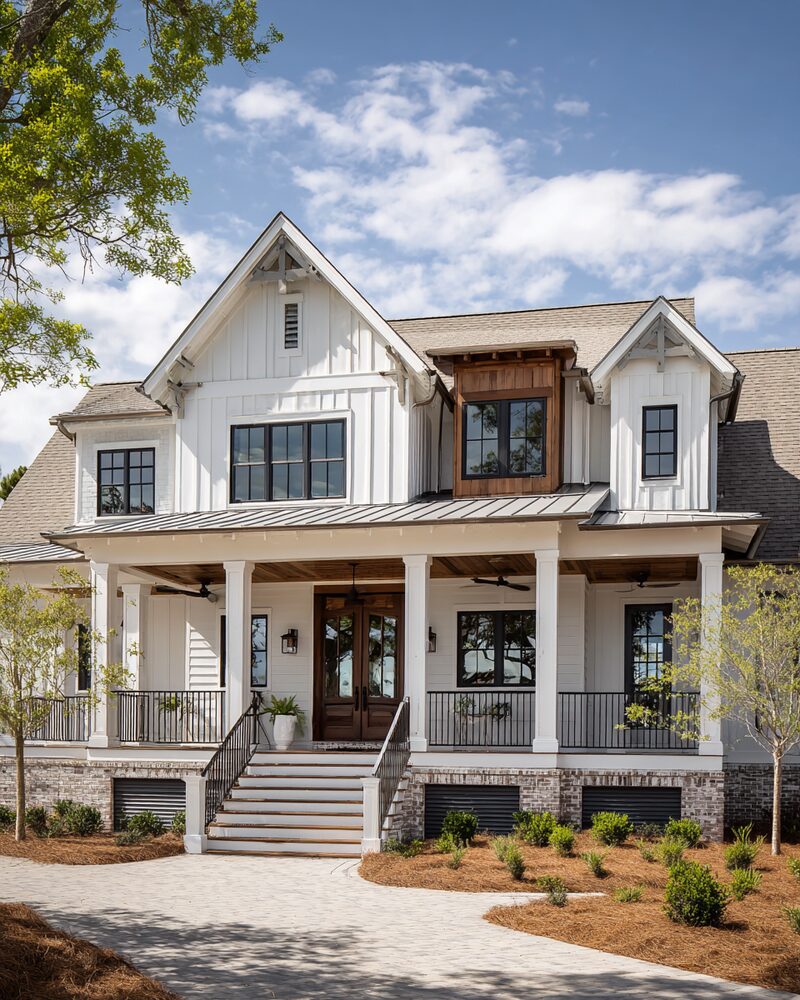
The Metro Atlanta housing market is a complex mix of builder communities, infill projects, and resale homes, and buyers and sellers who understand the mechanics behind long term value win more often than those who follow trends alone. Whether you are buying your first new construction home in Alpharetta, selling a remodeled bungalow near the BeltLine, or investing in a townhome in Decatur, the same core principles determine which Atlanta new homes keep pace with appreciation and which lag behind.
Start with location layers not just a ZIP code. In Atlanta GA micro location matters: proximity to MARTA stations, planned mixed use developments, walkable retail corridors, and top-rated schools all influence demand. A new home two blocks from a major transit expansion or a high performing school cluster can outperform a superficially similar property elsewhere. Look beyond city or county lines to block level trends, recent rezoning activity, and announced infrastructure projects that change commute and lifestyle patterns.
Design choices and long term appeal are more important than the latest paint color. Buyers in 2026 and beyond will pay premiums for flexible floor plans that support remote work, durable low maintenance materials, and energy efficient systems that lower monthly bills. Features like a dedicated home office, EV charging infrastructure, and smart HVAC controls are becoming baseline expectations in many new communities. For sellers, modest targeted upgrades that speak to these trends often deliver a stronger return than cosmetic fixes that date quickly.
School quality and community services matter for resale even when buyers do not have school age children. Atlanta neighborhoods with consistent school performance, active neighborhood associations, and well maintained common spaces tend to attract a steady pool of buyers. New homes located in developing areas with a visible plan for parks, trails, and streetscape improvements generally see value growth as those amenities are delivered.
Builder reputation and warranty support influence resale confidence. Buyers pay attention to how a builder handles after sale issues and how easy it is to transfer warranties or service requests. New homes from builders with transparent quality control, third party inspections, and a track record of timely punch list completion tend to sell faster and at smaller discounts when listed.
Understand cost of ownership not just mortgage payment. Property taxes, HOA fees, insurance in flood prone areas, and utility costs shape buyer behavior in Metro Atlanta. A home with slightly higher purchase price but significantly lower monthly energy and maintenance costs can be a better long term value. For sellers, presenting utility bills, HOA reserve studies, and recent maintenance receipts builds trust and speeds transactions.
Timing matters but not like many expect. Seasonal patterns affect listing inventory and buyer competition, but the multi year performance of a home hinges on fundamentals above seasonal timing. If your goal is long term equity, focus on the neighborhood trajectory, supply pipeline of similar homes, and potential for future demand rather than trying to guess the perfect month to list.
Price smart not low or high. For sellers, market driven pricing that reflects recent comparable sales and current inventory attracts serious buyers and often shortens time on market, which helps preserve value. For buyers, understanding seller motivation, builder incentives, and mortgage rate sensitivity can create opportunities to secure a home at a price that maximizes future equity.
Small investments with high returns. For sellers of new homes, landscaping, professional photos, and minor interior upgrades like high quality lighting and smart thermostats often yield outsized returns. For buyers considering customization with a builder, prioritize structural and efficiency upgrades over trendy finishes that may not appeal to a broad resale audience.
Research hyperlocal market data. Use neighborhood level metrics such as days on market, sale price to list price ratio, and absorption rates for new construction communities. These figures reveal whether a neighborhood is absorbing new supply or becoming overbuilt. Long term winners show steady demand even during broader market slowdowns.
Legal and zoning checks protect value. Confirm flood zones, special tax districts, or planned rezonings before you commit. A property subject to future land use changes or a new tax assessment can affect resale prospects. Work with professionals who read plats, covenants, and municipal plans.
If you want a practical neighborhood report, a tailored renovation ROI list, or a market comparison between new construction and resale options in a specific part of Metro Atlanta, The Rains Team can provide up to date insight and on the ground analysis. Call 404-620-4571 and we will walk you through the details that matter for your goals, or visit
Metro Atlanta New Homes for neighborhood guides, listings, and resources curated for buyers and sellers across Atlanta GA.
Choosing or marketing a new home in Atlanta requires a mix of macro perspective and local detail. Focus on layered location, durable design, cost of ownership, and builder credibility and you will be far more likely to protect and grow the value of your investment over time.
